- 01What is not working well today
- 02Which customers and service areas are affected
- 03What a successful first phase must prove
 METRO POWERIndustriesPlan a project ↗
Start from your work or site
Tell us what you manage.
You do not need to understand our products first. Choose the situation closest to yours and we will explain what Metro Power needs to understand, what information you can bring and the safest next step.
QUESTION 01 · CHOOSE THE CLOSEST MATCHWhich sounds
Which sounds
most like you?
You do not need to know the product or technical solution. Choose the situation closest to yours. We will show what to prepare and where to begin.
Nothing fits exactly? Choose the closest match. We will confirm the right route before recommending equipment.YOUR STARTING GUIDE · Electric cooperatives & utilities
Choose this if you manage electricity meters, billing, field operations or a utility modernization project.
This is a starting direction, not a final product recommendation. Your answers and available records will determine the next step.
- A recent meter or customer count
- A sample bill, report or current process
- Any terms of reference (TOR), map or system list you already have
Photos, bills, notes and estimates are useful starting points. We will identify what still needs to be documented or verified.
That is an acceptable answer.
Do not guess. The guided workspace accepts incomplete information and turns each unknown into a specific action, owner or document request.
RECOMMENDED FIRST STEP
Start the utility readiness guide Start the utility readiness guide
Answer simple questions, see what your information means, and receive a plain-language action plan.
01The six sectors in fullWhat each one is under pressure to fix, and the responsible first move6 sectors
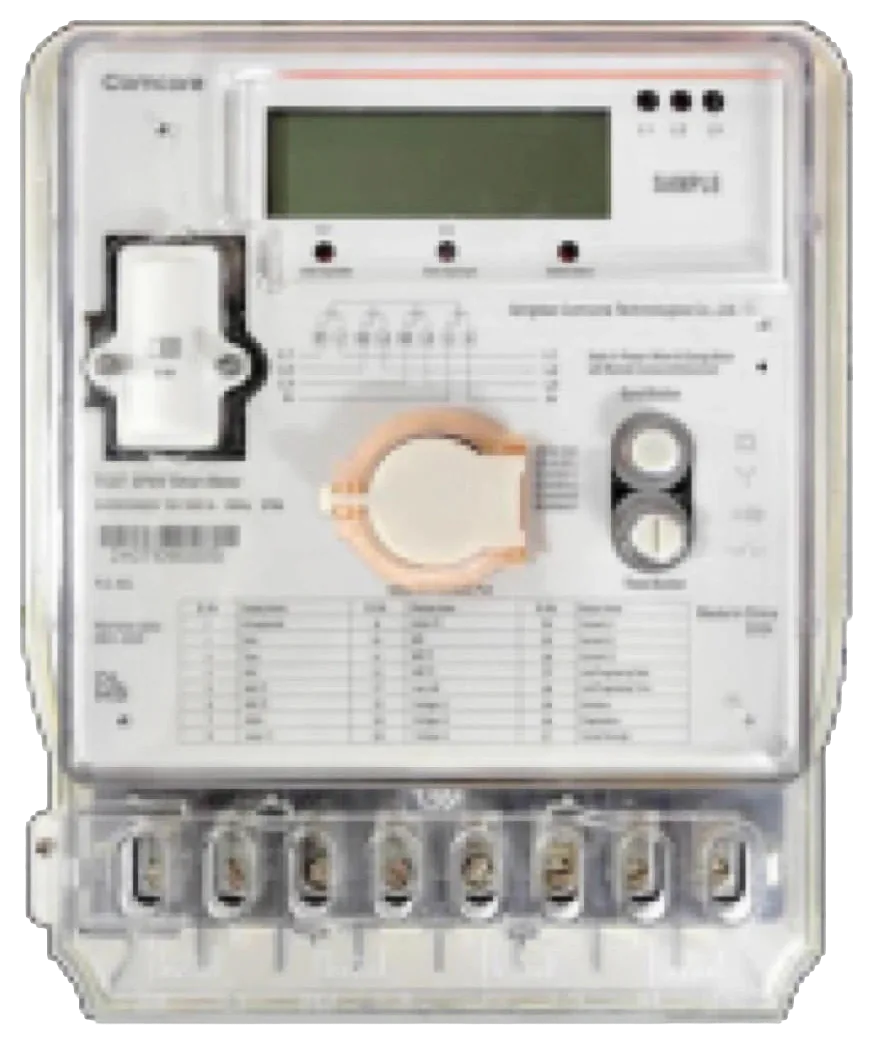
Comcore TC37 smart meterProduct image
Modernize measurement without losing operating control.
General managers, engineering, operations, billing, ICT and procurement
DECISIONS UNDER PRESSURE
System loss and revenue visibility
Metering accuracy and asset control
Pilot, communications and integration risk
CONNECTED METRO POWER SYSTEMSElectric Metering & AMI ↗Conventional Metering ↗BESS & Microgrids ↗Core Electrical Supply ↗
 02
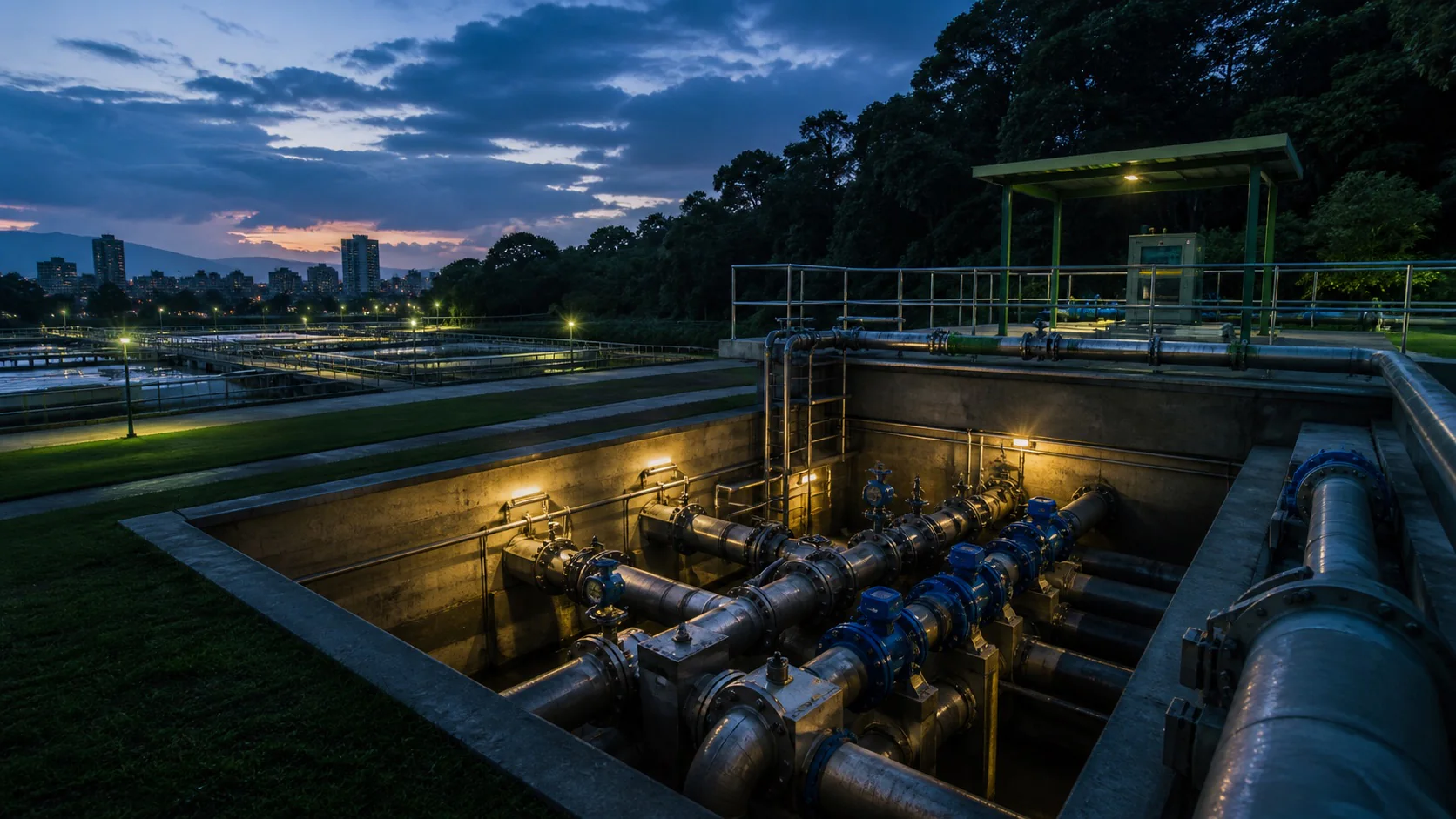
Water treatment plantIllustrative scene
Connect credible flow measurement to network action.
Utility management, engineering, commercial, non-revenue water (NRW), billing and field operations
DECISIONS UNDER PRESSURE
Revenue and consumption visibility
Leakage and district accountability
Battery, communications and maintenance
CONNECTED METRO POWER SYSTEMSWater Metering ↗Core Electrical Supply ↗
 03
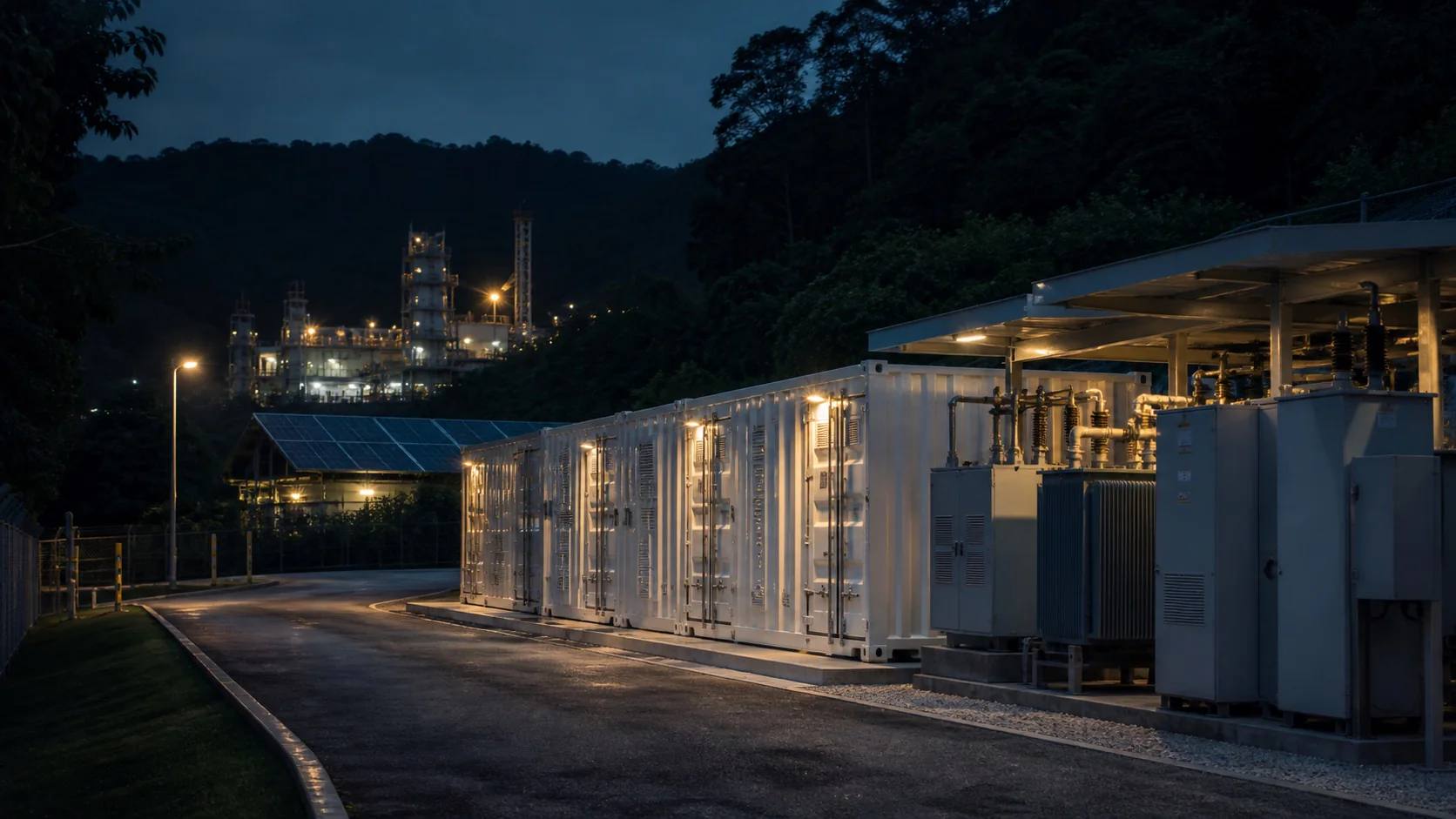
Containerized battery storageIllustrative scene
Turn energy infrastructure into an operating decision.
Facility, energy, engineering, finance, sustainability and operations leaders
DECISIONS UNDER PRESSURE
Peak demand and energy cost
Resilience for critical loads
Electrification without unmanaged capacity risk
CONNECTED METRO POWER SYSTEMSBESS & Microgrids ↗EV Charging ↗Conventional Metering ↗Core Electrical Supply ↗
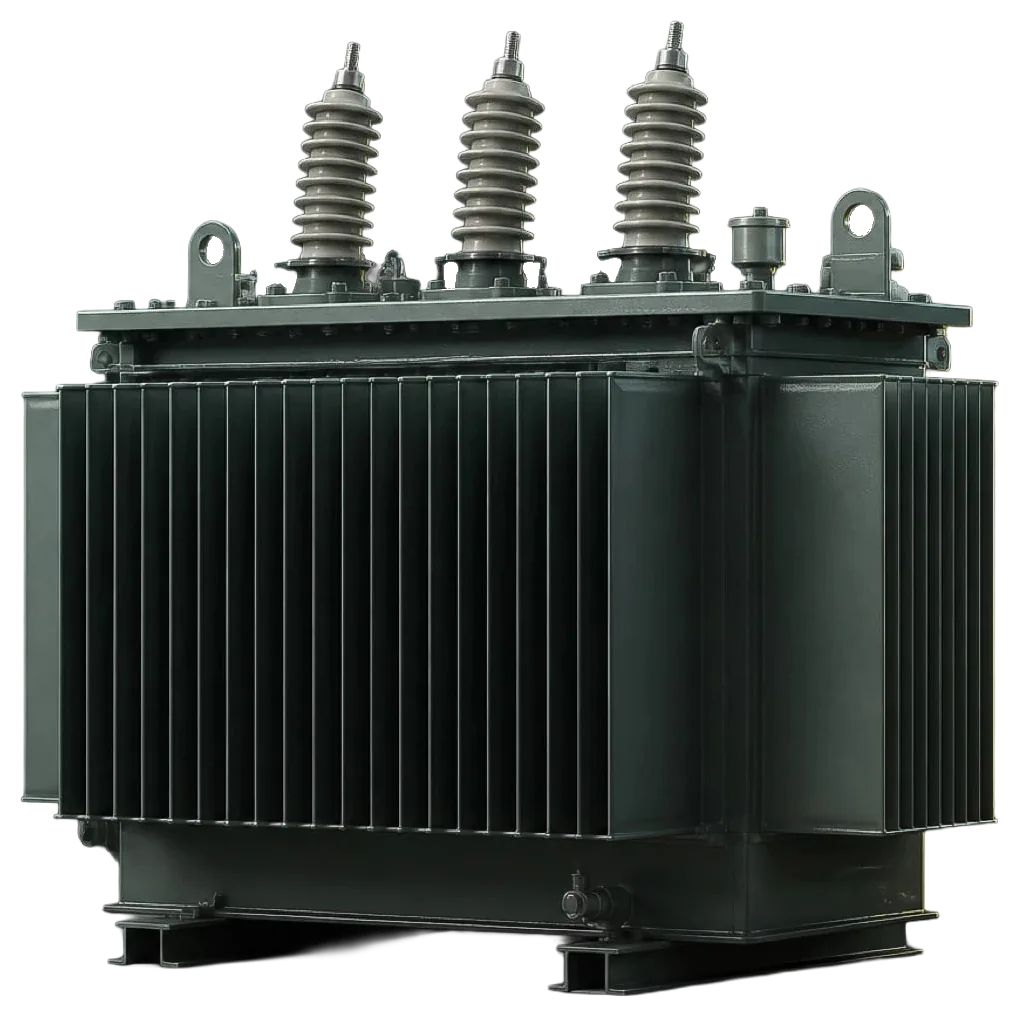
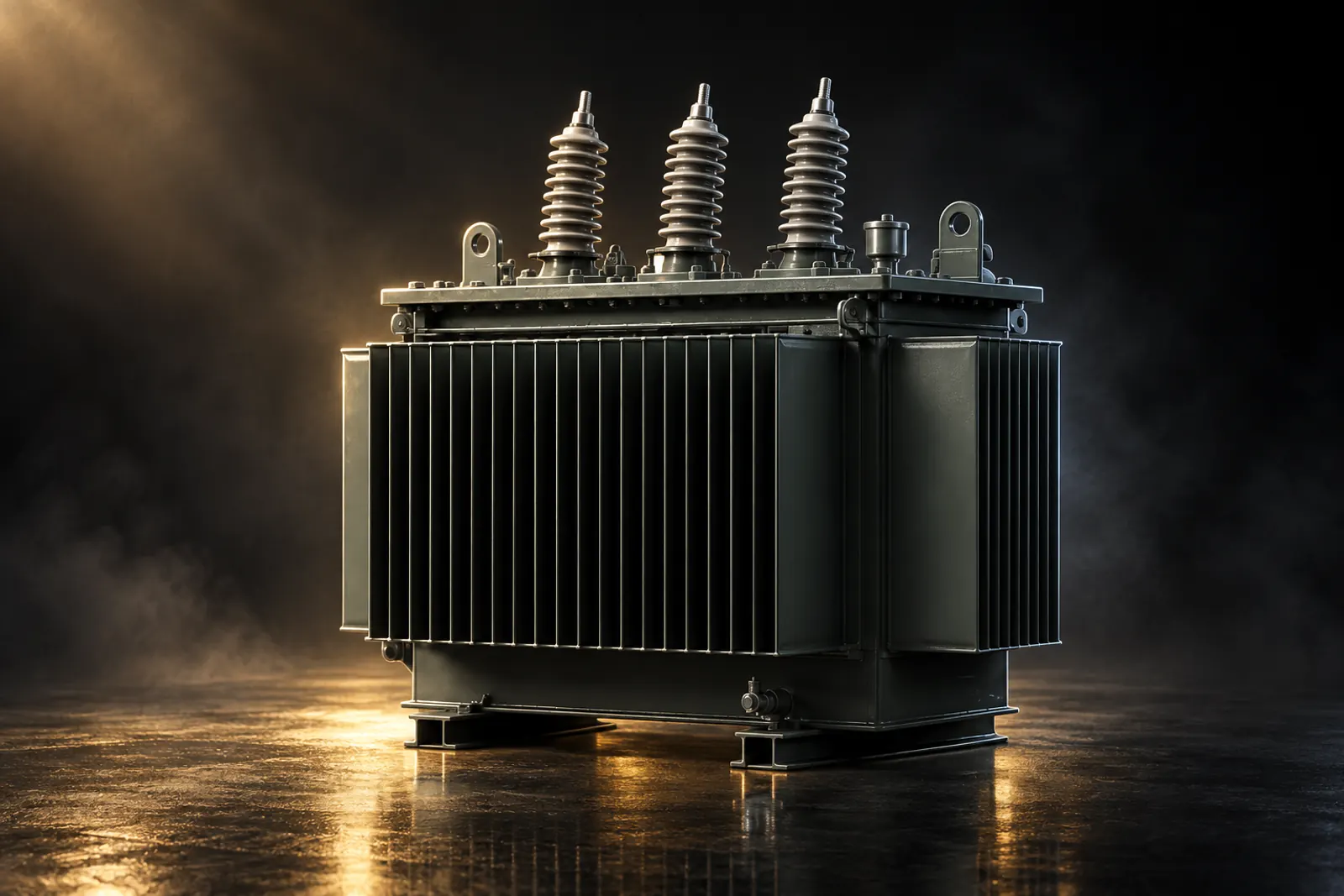
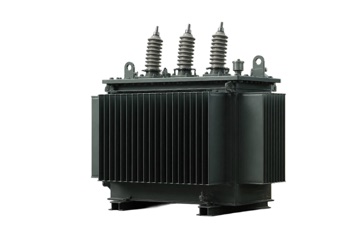
Distribution transformerProduct photograph
Plan power, charging and measurement as one site system.
Developers, owners, design teams, property management and electrical consultants
DECISIONS UNDER PRESSURE
Electrical capacity for future loads
Tenant and common-area measurement
Parking, charging and civil coordination
CONNECTED METRO POWER SYSTEMSEV Charging ↗BESS & Microgrids ↗Water Metering ↗Core Electrical Supply ↗
 05
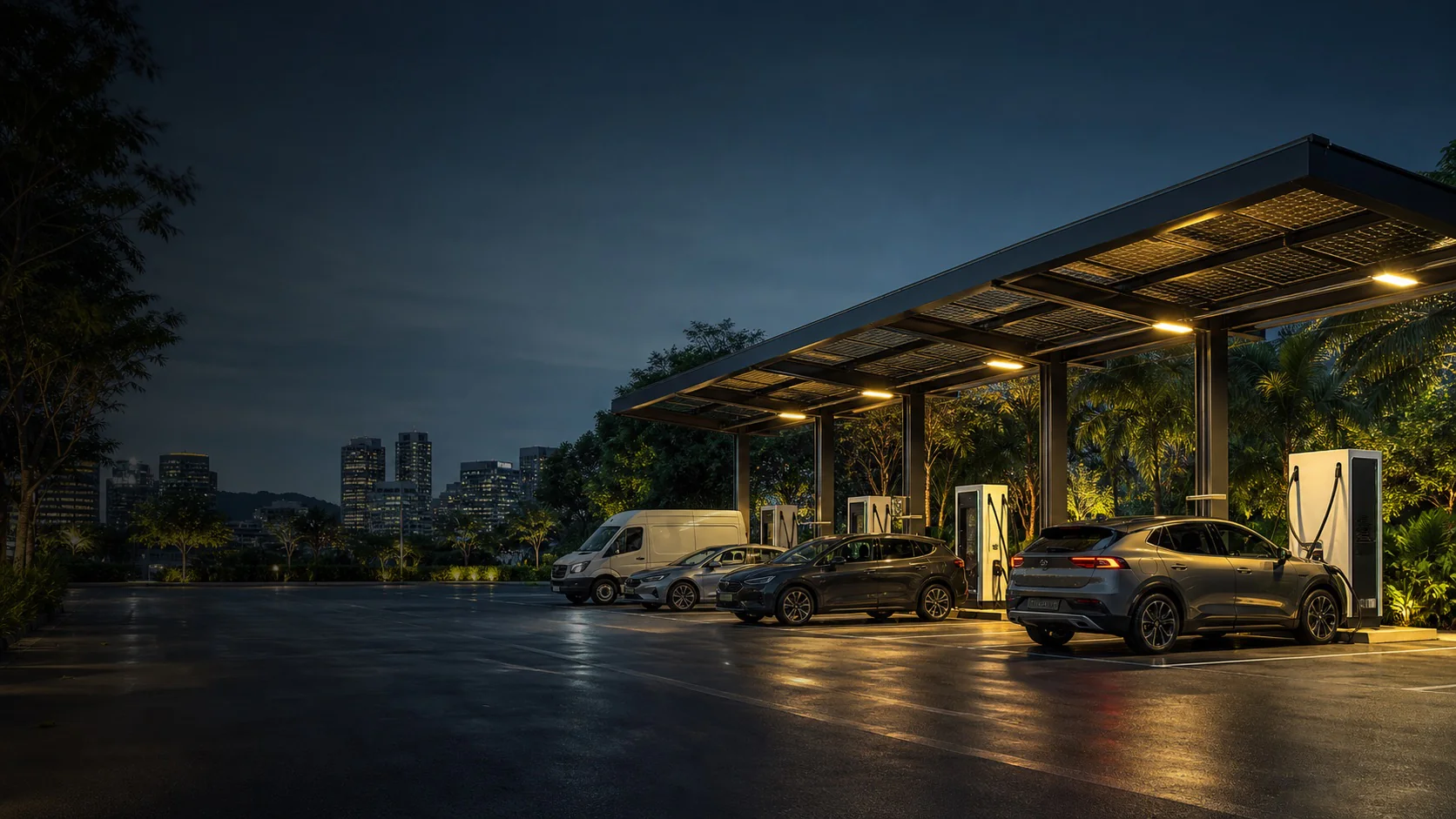
Vehicle charging siteIllustrative scene
Design charging around vehicles, duty cycles and the grid.
Fleet operators, transport groups, site hosts, charging operators and utilities
DECISIONS UNDER PRESSURE
Daily energy and turnaround windows
Simultaneous charging demand
Uptime, access, payment and operations
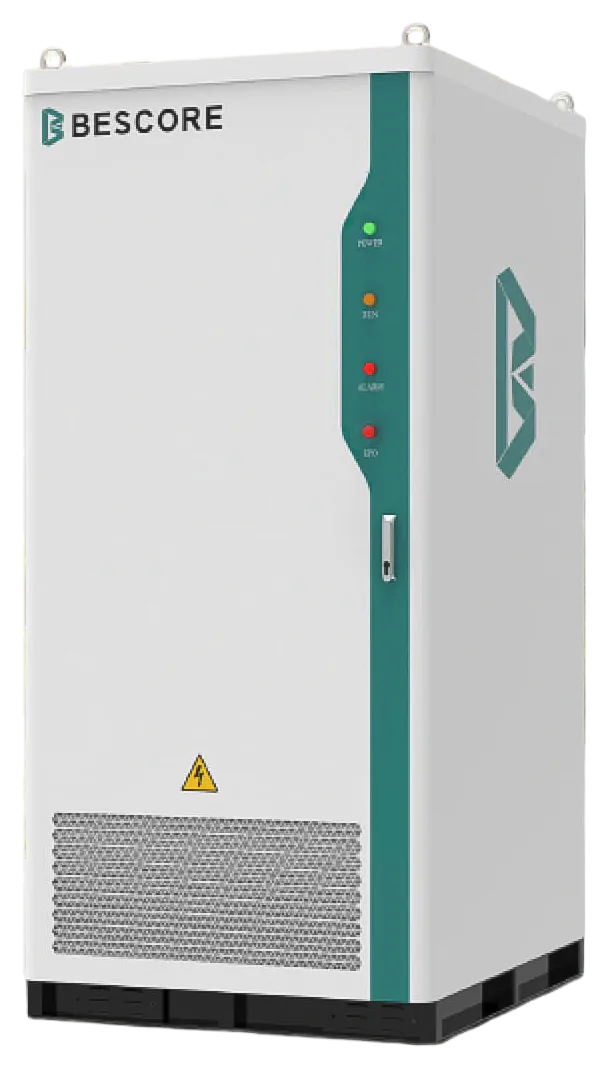
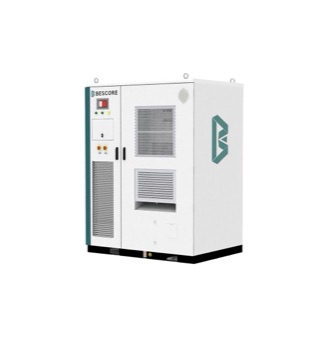
Bescore liquid-cooled storage cabinetManufacturer render
Make generation, storage and critical loads operate as a system.
Developers, EPCs, facility owners, utilities and resilience planners
DECISIONS UNDER PRESSURE
Renewable variability and curtailment
Grid-connected and island operation
Controls, protection, safety and interconnection
02Two worked sites, drawnA remote mine and a farm as full single-line drawings, with the conditions that change themDetailed
Two worked sites, two questions
A mine and a farm ask different things of storage.
These two were drawn because they are the two arrangements Bescore publishes a system diagram for, and because they sit at the two ends of what every sector on this page asks of storage: a site with no usable grid, and a site on an electric cooperative’s feeder. The same batteries and converters answer very different questions once they meet a real site.
Choose a site to see its full single-line drawing, then change the condition to follow one idea at a time: where the power comes from, where it goes and which device decides.
Commercial and industrial: a remote mine on a weak or absent grid
The buyer’s questionHow many generator hours can we take out without putting a production shift at risk?
A remote mine, such as a nickel operation in Palawan or Mindanao, can sit hours from a strong feeder, so diesel carries the site and every liter arrives by road or barge. Storage and solar change how the generator runs rather than replacing it: solar carries the day through its own inverter, the storage takes the motor starts and the haulage charging peak, and the EMS runs the generator for fewer, fuller hours.
AC coupled solarThe array has its own inverter on the site bus, so an existing array can stay. The EMS must be able to curtail that inverter when the storage is full and the load is light.
Sectors that read from this siteCommercial and industrial sites read this drawing directly. Renewable energy and microgrids read the generator, solar and EMS arrangement, and fleets and public charging read the shift change charging the EMS schedules.
What this site needs that others do not
- Generator runtime and fuelEvery running hour burns delivered fuel, and a set idling at light load wears faster; storage lets it run fewer hours at a steady, efficient load.
- Motor startingCrushers, mills and dewatering pumps draw several times their running current as they start; the design names the largest motor and which source carries its start.
- Electric haulage chargingHaul trucks charge together at shift change, a large load for an hour or two that the EMS schedules around the plant.
- Remote operationThe nearest engineer may be a day away, so storage, generator and chargers are watched and adjusted from off site.
Solar hours. The PV inverter carries the camp and the processing plant, and the surplus charges the storage. The generator is off and a weak grid, where there is one, is not relied on.
- DC power
- AC power
- Control and data
- This condition’s power path
- Direction of flow
- De-energised
- Utility grid
- Drawn faded: at many mine sites the feeder is weak, distant or absent, so nothing in the design depends on it. Drawn, because Metro Power does not supply it.
- Transformer
- Brings a feeder, where one exists, down to the site bus. Studio photograph of a transformer Metro Power supplies.
- Generator set
- The diesel set on the site bus. The EMS starts it only when solar and storage cannot carry the site, and loads it steadily when it runs. Drawn.
- Solar array and PV inverter
- AC coupled: the array has its own inverter on the bus, which the EMS curtails when the storage is full and the load is light. Drawn.
- Storage cabinets
- Battery, battery management system (BMS) and power conversion system (PCS) in each cabinet, paralleled to the size of the site. Bescore render of the CE2-105.
- Switchboard
- The 400 V bus with a breaker on every feeder, so loads can be shed in reverse order of priority. Studio photograph of switchgear Metro Power supplies.
- Haul truck charging
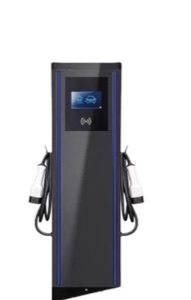
- DC chargers for the haul fleet, priority 3: the EMS sets their power and moves charging away from the night. Bescore render of the Super EV charger; the truck is drawn.
- Camp and safety
- Accommodation, clinic, water and dewatering pumps, priority 1 and kept on in every condition. Drawn.
- Processing plant
- Crushers, screens and conveyors, priority 2 and the site’s largest motor loads. Drawn.
- Energy management system (EMS)
- Decides every source: starts and stops the generator, curtails the PV inverter, sets the PCS and the charging power.
- Remote operation
- A web, app or SCADA view of storage, generator and chargers for a site far from its engineers.
| Question | Commercial and industrial · Mine | Electric cooperative · Farm |
|---|---|---|
| How the solar joins | Its own PV inverter on the AC bus; the EMS curtails it | The cabinet’s DC solar input; converted once into the battery |
| Who decides | A separate EMS over generator, PV inverter, PCS and chargers | The hybrid inverter’s built-in controller |
| Largest load | Crusher and mill motors, then haul truck charging | Irrigation pumps, in daylight and in the dry season |
| Role of the grid | Weak or absent; the generator is the backstop | Present; covers the seasonal peak and recharges |
| Loads kept on in an outage | Camp and safety, then processing; charging waits | Farmhouse and cold room; pumps wait for the sun or the generator |
Compare the four storage arrangements ↗Prepare storage feasibility data ↗
03When one project involves several needs
We connect the pieces for you.
A site may need metering, storage, charging and electrical equipment together. You do not need to separate them yourself. Start with the result you need and the information you have.
Swipe through four decision guides. Each card explains the systems involved and the information worth bringing.
What you may needWhat may need to work togetherUseful information to bring
Measurement visibility
AMI or conventional metering; water metering where hydraulic services are in scope.
Service configuration, population, flow/load data, billing workflow and controlling requirement.
Resilience and energy cost
Battery energy storage system (BESS), energy management system (EMS), power conversion system (PCS), protection, interconnection and supporting electrical infrastructure.
Interval load, tariff, outage history, critical loads, generation and site constraints.
Transport electrification
AC/DC charging, load management, transformer, switchgear, cabling, civil and operations.
Vehicle mix, daily energy, dwell time, simultaneity, site capacity and operating model.
Distribution and site foundation
Transformers, instrument transformers, switchgear, enclosures and project-configured supply.
Approved single-line, ratings, fault duty, standards, environment, bill of quantities (BOQ) and delivery sequence.
Equipment shown as product images
You do not need to choose a product first
Start with what must improve.
Tell us about the work, site or service you manage. It is fine if information is incomplete. Our guided workspace will identify what is known, what is missing and what to do next.