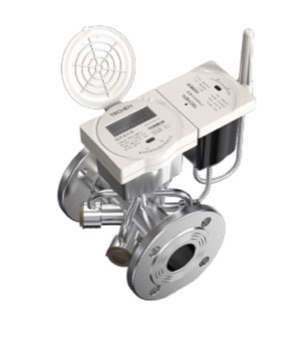
Where does the water enter?
Bulk meterMeasures aligned inflow into the defined boundary.
COMCORE PRODUCT PHOTOGRAPH METRO POWERWater Metering & IntelligencePlan a project ↗
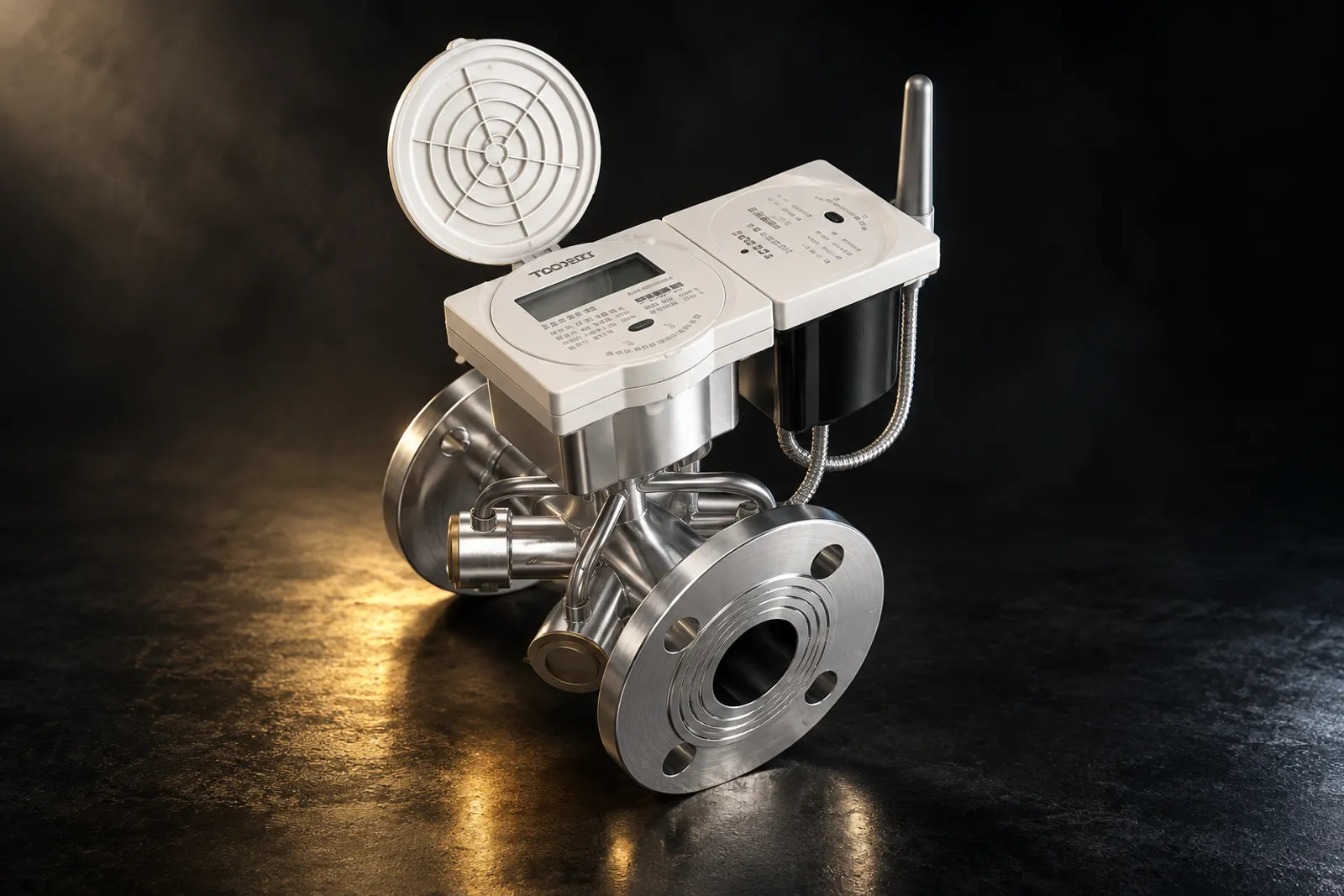
Water Metering & Intelligence
Residential, commercial and bulk-network metering with communications and data visibility matched to field conditions.
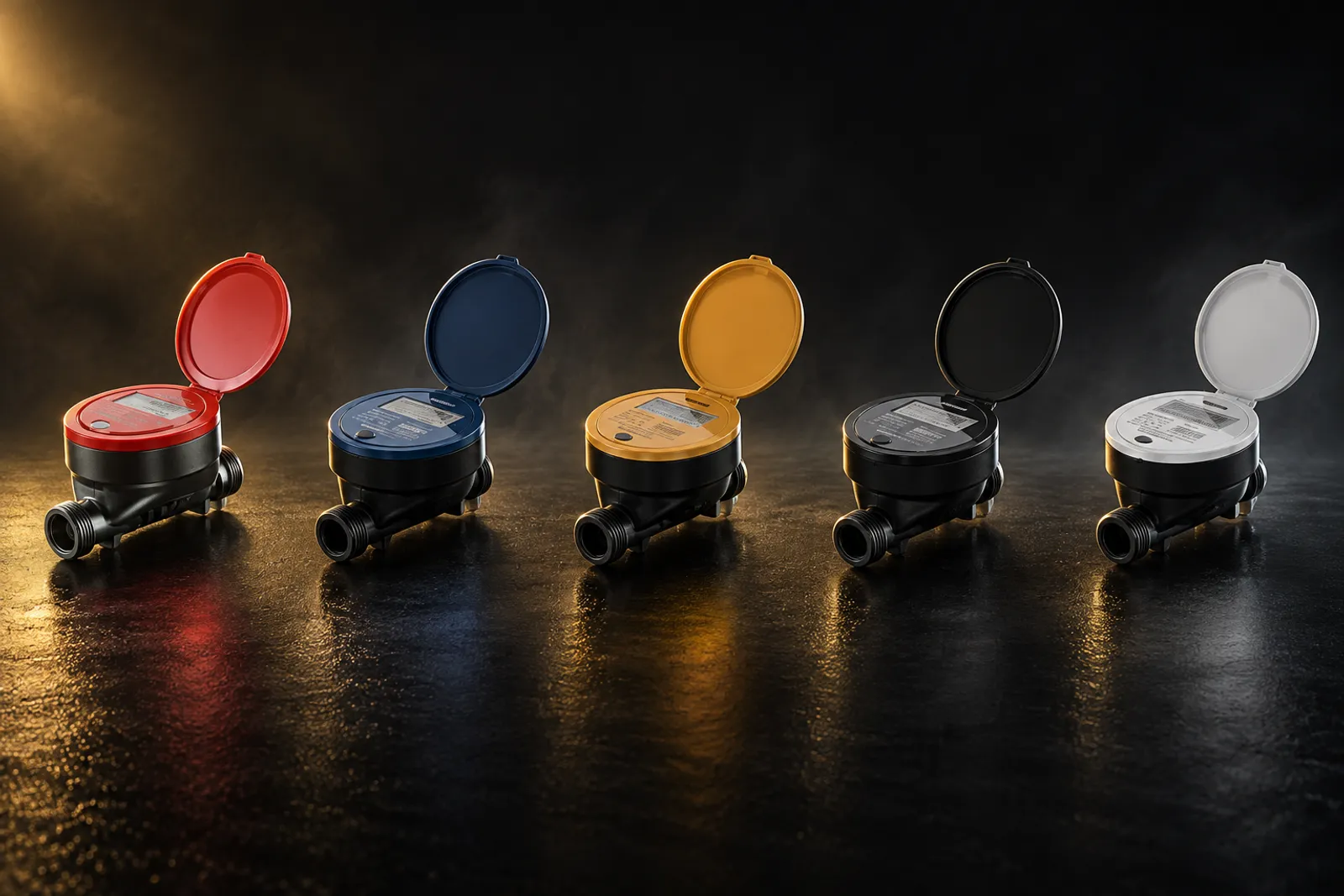
Understand the system
Digital water metering connects accurately sized meters to communications, collection and operating workflows for billing, consumption analysis, leak awareness and network accountability.
Compare aligned system input with authorized consumption first. Timing, missing reads, meter error, boundary changes and authorized unbilled use can all change the residual.
The residual is not automatically physical leakage. Use it to prioritize controlled field investigation.
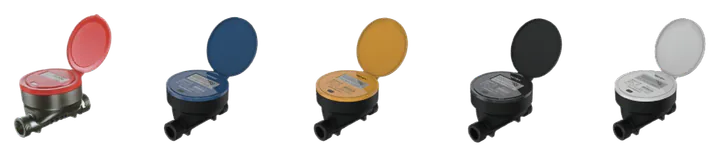
From measurement to investigation
Bulk inflow and service consumption have to cover the same boundary and time window. The residual becomes useful only after missing data, authorized use and meter performance are considered.
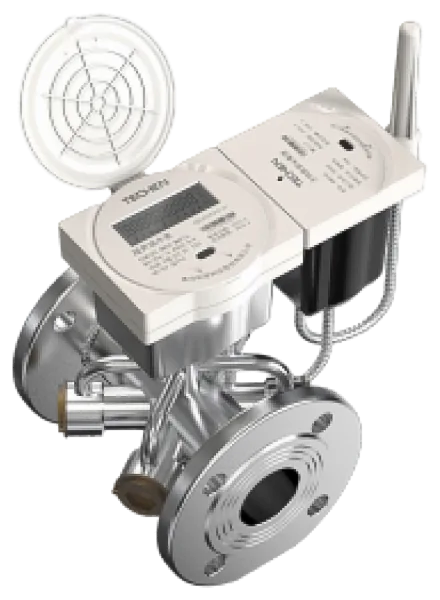
Measures aligned inflow into the defined boundary.
COMCORE PRODUCT PHOTOGRAPH
Combine billed and authorized unbilled consumption.
COMCORE PRODUCT PHOTOGRAPHAlign time, identity, completeness, boundaries and meter performance.
ORIGINAL SYSTEM DRAWINGPrioritize apparent and real-loss investigation without treating the full residual as leakage.
DECISION SIGNAL, NOT A LEAK CLAIMStart with the bulk meter and a defined area. Inlet and service readings only belong in the same balance when they cover that area and the same period.
Combine billed consumption with authorized unbilled use. Missing service reads can make the difference look larger than it is.
Check time windows, meter identity, missing records, boundary changes, storage effects and meter performance before interpreting the number.
The remaining difference is a starting point for field investigation. It does not, on its own, prove that water is leaking.
The measurement, drawn
A water meter is accurate only inside its range. The drawing shows the straight run a meter may need, the four flow points that bound its range, and the path each read and alert takes to the utility. The amber band is where the actual service should sit.
U10D5 drawn. A U0D0 configuration needs no straight run and may follow the bend directly. Read the class of the exact configuration offered from its nameplate.
Amber band: the flow profile of the actual service, which should sit between Q1 and Q3. Flow axis schematic, not to scale; R = Q3 / Q1.
Conceptual drawing, not to scale. The flow range and straight run of an offered meter come from its datasheet and nameplate class.
Study hydraulic fit in the AcademySMART WATER BENEFITS · TWO PERSPECTIVES
Connected water metering can turn periodic readings into a more useful view of consumption and supported events, when the meter is hydraulically correct and the data reaches a responsible workflow.
01FOR THE WATER UTILITY OR PROPERTY OPERATOR
Configured communications can reduce manual reading dependence and support more frequent consumption visibility.
What makes it trueCoverage, battery settings and read schedules must be validated.Consumption patterns, reverse flow and supported alarms can help prioritize accounts or zones for inspection.
What makes it trueAn alert indicates where to investigate; it does not identify every leak.Residential, commercial, bulk and district metered area (DMA) data can support water-balance and non-revenue water (NRW) analysis.
What makes it trueRequires correct sizing, installation, hierarchy and reconciled data.Device status and usage trends can support planned meter and network intervention.
What makes it trueRequires asset records, thresholds and assigned maintenance ownership.02FOR THE HOUSEHOLD OR WATER CUSTOMER
More detailed readings can help customers understand usage patterns beyond a single periodic total.
What makes it trueRequires customer access through bills, portal, app or utility communication.Supported alerts or pattern changes may help surface continuous or unexpected usage sooner.
What makes it trueNot every leak is detectable; customer inspection may still be required.Remote reading can reduce routine access requirements in compatible installations.
What makes it trueThe utility may still need site access for inspection, maintenance or verification.Timelier consumption feedback can help households compare habits and act on avoidable use.
What makes it trueSavings depend on customer action, plumbing condition and tariff.System architecture
Follow the journey from physical equipment to the decision a customer or operator can act on.
Meters measure flow for the selected pipe and operating range.
LoRa, LoRaWAN, CAT.1, NB-IoT or other configured links carry reads and events.
A digital-water platform organizes metering, billing and supported alarms.
Utilities use the data for customer service, district metered area (DMA) analysis, leakage and maintenance.
Flow measurement becomes useful only when sizing, communications and operating workflows work together.
02ULTRASONIC MEASURECONTROL POINT 1Pipe and hydraulic conditions determine whether the selected meter can measure reliably in the actual installation.
Field realitybecomesOperational action
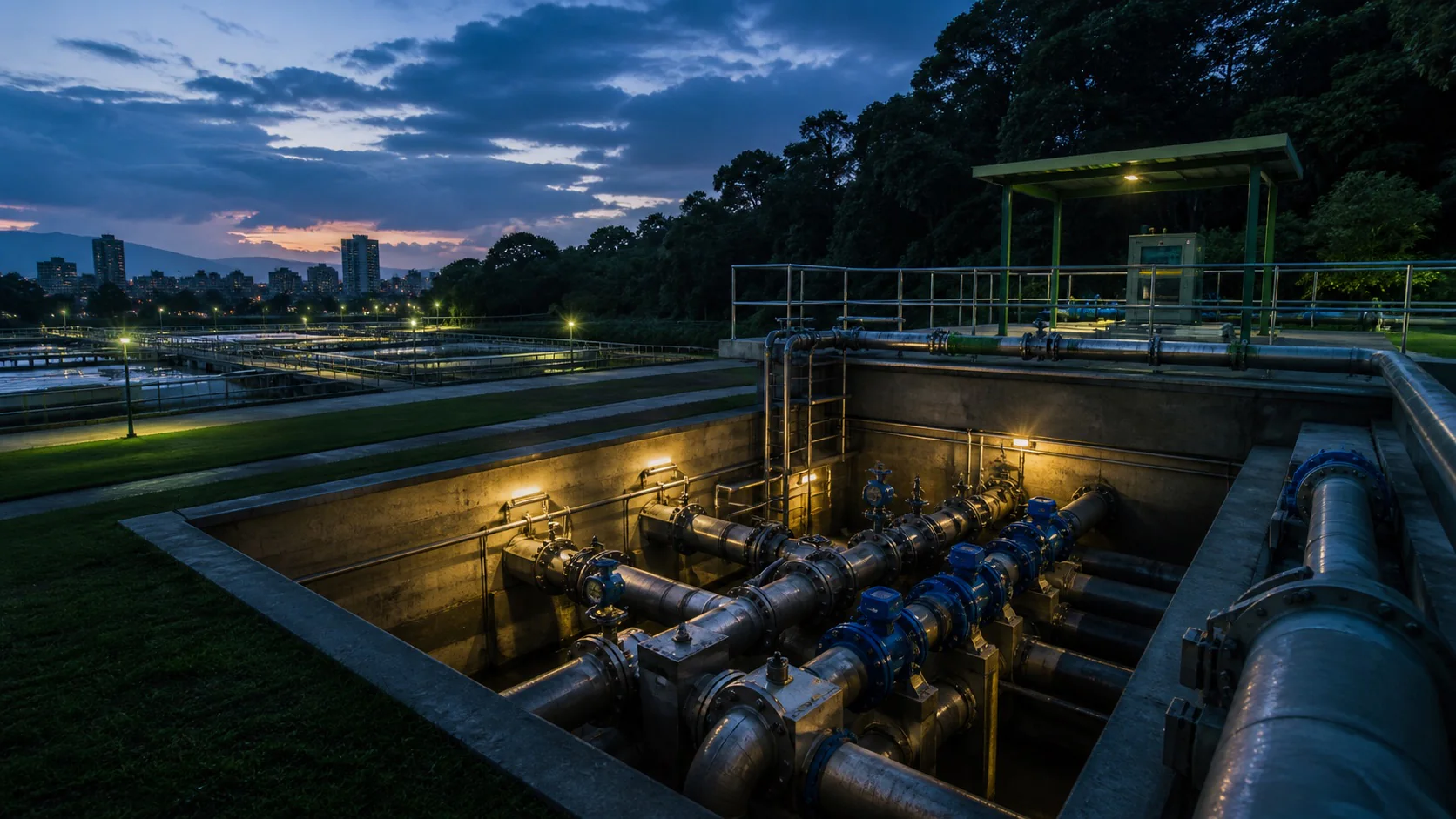
System to real world
Flow becomes a verified reading
Reads and alarms reach the platform
Utility teams investigate and act
This visual explains system behavior. Final performance depends on approved design, field conditions, configuration and operating discipline.
Metro Power visual explainer
Use this short film as orientation, then continue into the system architecture, technical lesson or readiness action.
Begin smart-water selection with hydraulic conditions before adding communications and data workflows.
The Metro Power solution
We close the gaps between the manufacturer’s product, Philippine site conditions and the people who must operate the system.
Metro Power closes the two gaps marked on the line.
Complete decision path
A solution is complete only when technical behavior, project evidence and operating ownership remain connected.
Use case, baseline and accountable owner
Minimum, normal and peak flow; pressure; orientation; water quality
Coverage, interval, retry, latency and battery assumptions
Billing mapping, alert procedure, customer message and closure record
Failure modes to control
Select from the verified flow profile and installation conditions.
Obtain a configuration-specific power budget and replacement model.
Validate data and preserve uncertainty until investigation closes.
Acceptance evidence
Possible equipment paths
These are starting points for discussion, not automatic recommendations. Use the plain-language clues below to understand where each option may fit and what Metro Power still needs to confirm.
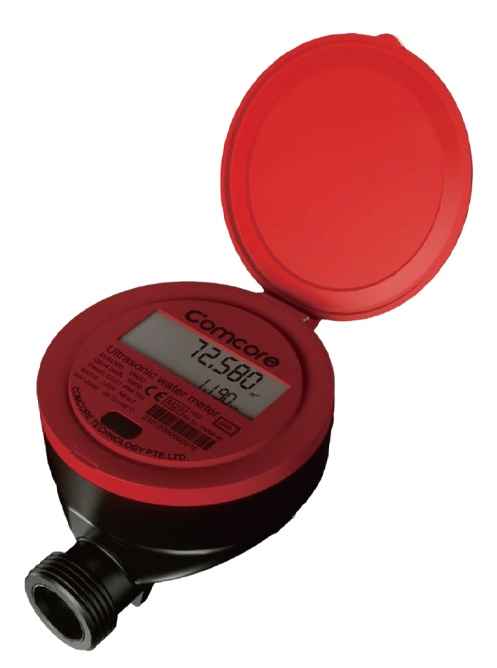
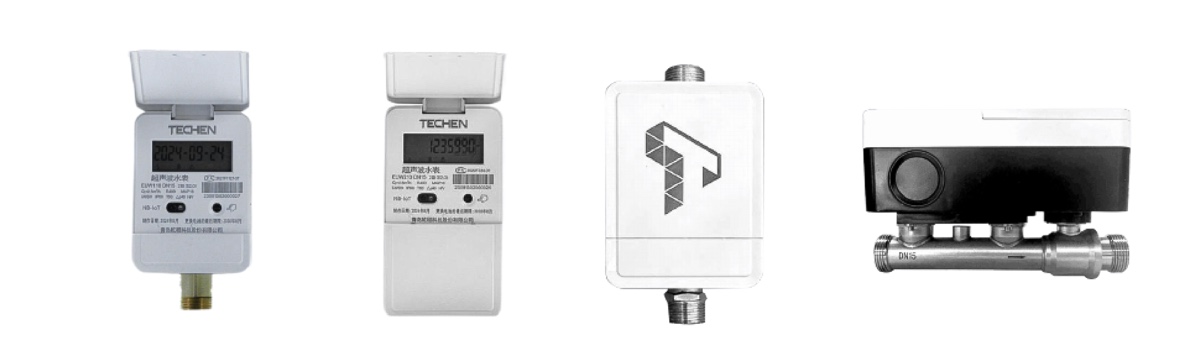
EUW300
Evidence: Product reference availableManufacturer product photograph
Static ultrasonic meter for DN15 to DN25 residential and small commercial services. Comcore publishes it for installation at any angle with no straight pipe section before or after the meter.
2 more Water Metering & Intelligence products
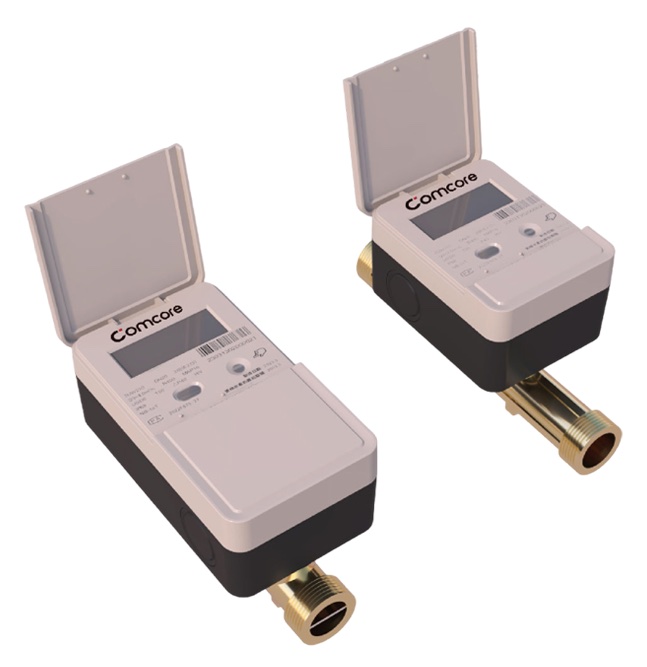
EUW110 / EUW210
Evidence: Product reference availableManufacturer product photograph
Static ultrasonic meter for DN15 to DN40 with a replaceable dual battery. The EUW210 adds an integrated valve; the EUW110 has none.
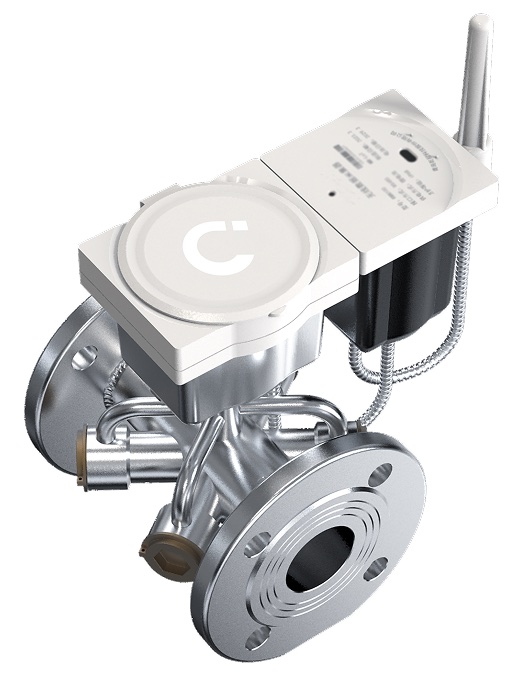
Large-diameter series
Evidence: Product reference availableManufacturer product photograph
Flanged ultrasonic meter for DN50 to DN100 bulk supply and district metered area (DMA) measurement. Comcore publishes it under a descriptive name without a model number.
Exact diameter, flow range, battery, radio band and certifications are confirmed after project conditions are known.
Turn learning into a decision
Move from a meter request to a field-fit measurement and data-operating plan.
01Leadership
Billing accuracy, non-revenue water, customer service and maintenance priorities determine the program.
Define the operating objective02Engineering
Pipe size, flow profile, pressure, orientation, water quality and installation conditions drive selection.
Prepare field and flow data03Procurement
Diameter, flow range, radio band, battery expectation, certifications and integration scope.
Submit the requirement04Operations
Set read frequency, alarm workflows, billing export, device ownership and maintenance responsibility.
Map the operating workflowWhere it may fit
You do not need to choose equipment yet. If one of these situations sounds familiar, Metro Power can help define the correct starting point.
Prepare without the guesswork
These inputs help us understand the project. They are not entry requirements, and you do not need every item before contacting us.
This establishes the physical meter size and whether the installation can handle the operating pressure.
Low and high flow conditions help us avoid a meter that is too large, too small or inaccurate in normal use.
Water condition and installation direction can affect measurement, durability and the correct meter arrangement.
Expected service life and replacement access influence the battery and communications configuration.
The reading area and required frequency shape the communications and gateway plan.
Required approvals and billing-system needs determine what evidence and data interfaces must be supplied.
Your next decision
A useful water balance starts with a clear measurement boundary and a meter suited to actual flow. Share the service or network problem first. A difference in readings is an investigation question, not proof of a leak.