Technical planning workspace

Work from evidence, one system at a time.

For project teams that already have site values or controlled documents. The Lab covers EV charging, battery storage, smart water metering and AMI pilots. Choose one workspace, record what is known, and expose what still needs verification.

Four technical workspacesOne system at a time
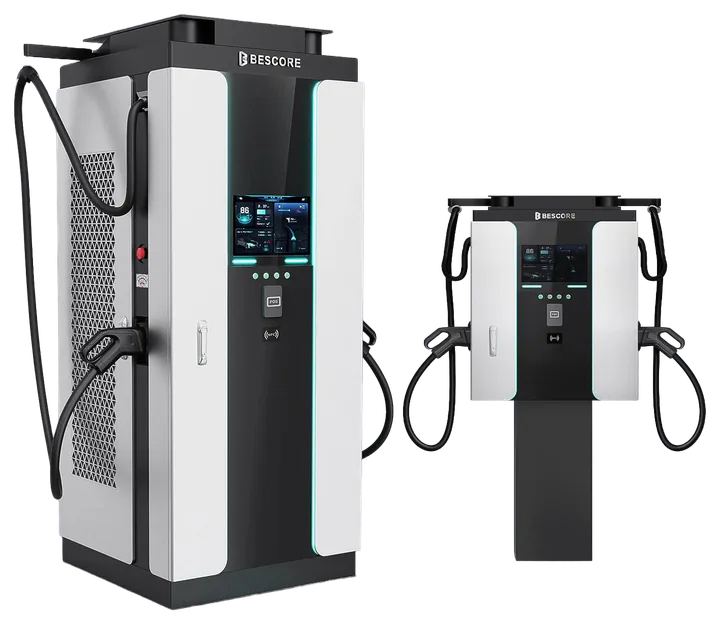
  • Integrated DC fast charger with a pedestal unit, used to identify the EV charging planning workspace
    Integrated DC fast charger with a pedestal unit, Bescore product render · Supplier render
    01EV charging
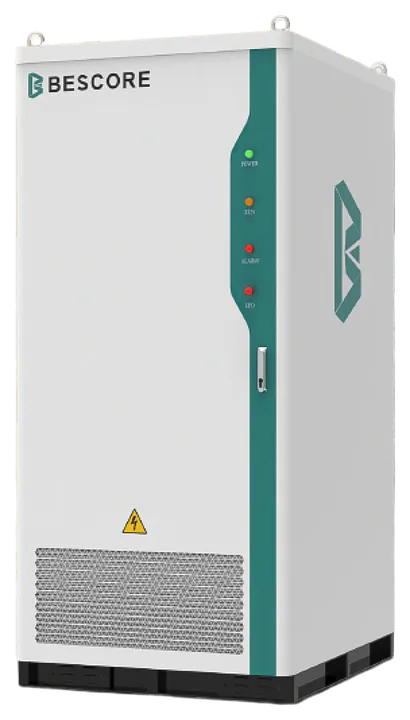
  • Liquid-cooled battery energy storage cabinet, used to identify the Battery storage (BESS) planning workspace
    Liquid-cooled battery energy storage cabinet, Bescore product render · Supplier render
    02Battery storage (BESS)
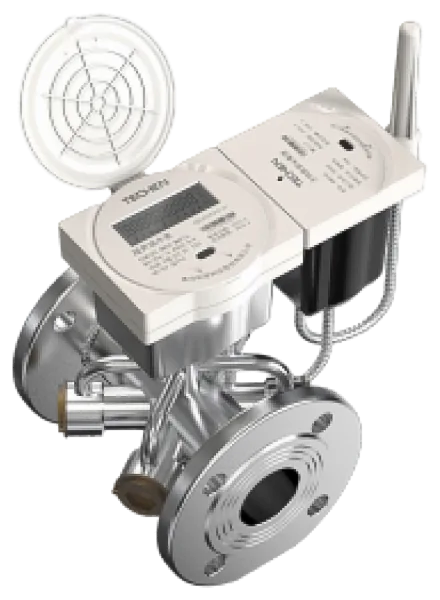
  • Bulk ultrasonic water meter with flanged body and register head, used to identify the Smart water metering planning workspace
    Bulk ultrasonic water meter with flanged body and register head, Comcore product photograph · Product photograph
    03Smart water metering
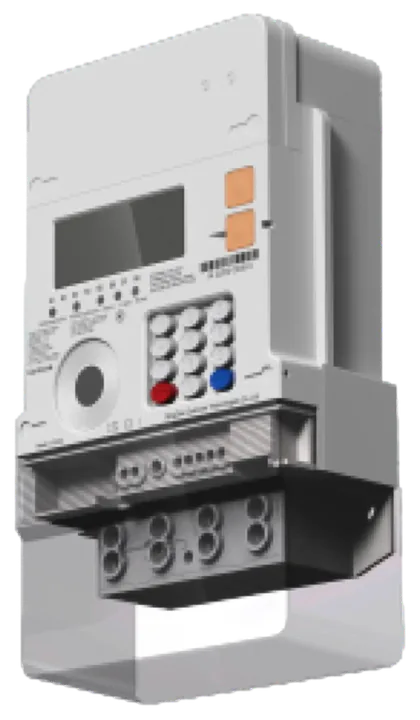
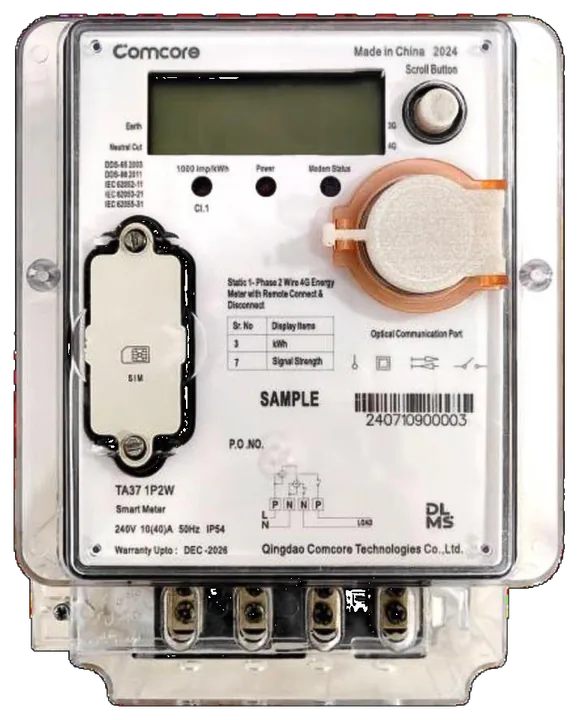
  • TA15 single-phase smart meter, used to identify the AMI pilot planning workspace
    TA15 single-phase smart meter, Comcore product photograph · Product photograph
    04AMI pilot
Principal product images, background removed. Not Metro Power installations.
TECHNICAL MODEWork with site values and controlled evidence.
TECHNICAL MODE

One technical workspace at a time.

Choose the project you are working on. Your entries remain saved on this device while you move between tools.

Tool 04AMI pilot scope

Design a pilot around decisions, not a sample quantity.

Start with what the utility needs to improve. Select only the conditions, systems and measurable results that genuinely matter. Leaving an area blank is acceptable; the result will identify it as a gap.

NEW TO AMI?HES communicates with metersMDMS validates and organizes meter dataCIS supports customer and billing records
SCOPE COVERAGE0/4
SELECTED SIGNALS0items
PLANNING STATUSFoundation not yet defined
01Operating objectivesWhat must the pilot prove useful?Choose the operational problem the cooperative wants the pilot to improve.
02Representative field conditionsWhich realities must the pilot include?Choose real service conditions the pilot must represent, not only the easiest installation area.
03Systems and workflowsWhat must exchange or use pilot data?Choose the utility systems or teams that must receive, validate or act on AMI information.
04Measurable success gatesWhich results require a defined baseline and acceptance method?Choose the results that must be measured before management decides whether to scale.
Responsible boundary

The final sample, topology, technology, survey method, interfaces, cybersecurity, acceptance thresholds, responsibilities and timetable require formal review.

ADDITIONAL PROJECT ROUTES

Metering and electrical requirements still have a clear next step.

From input to action

A result that explains itself.

The Lab returns a usable preliminary conclusion, not a product recommendation, final design or approval.

  1. 01

    Enter what you know

    Every field explains what is needed and why it matters.

  2. 02

    Read the result

    The result links your inputs to the likely constraints and dependencies.

  3. 03

    See the assumptions

    Every output separates facts, assumptions and missing evidence.

  4. 04

    Take the next step

    Download a brief or carry the full result into a Metro Power review.